Seasonal Movement Patterns of Wolves in the Carpathian Mountains
Understanding seasonal movement patterns is essential for studying wolf behavior, territory dynamics, and ecological impact. In regions such as the Carpathian Mountains, wolves adapt their movement strategies throughout the year in response to environmental conditions, prey availability, reproduction cycles, and human activity.
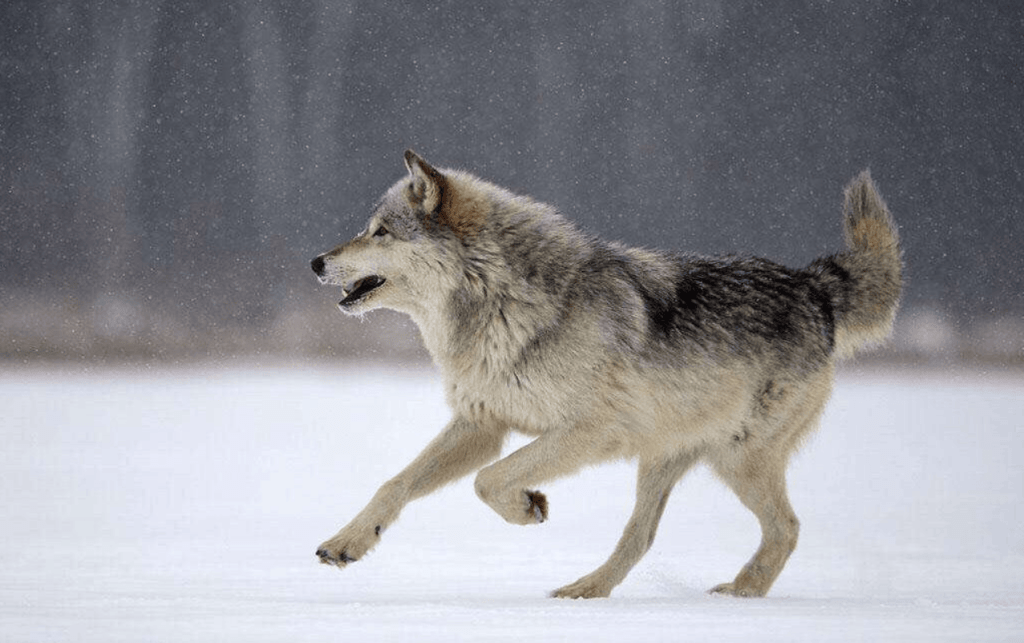
GPS tracking technology has made it possible to observe these seasonal changes in detail. By analyzing long-term location data, researchers can identify how and why wolves adjust their territory use across different months.
Why Seasonal Movement Matters
Wolves are highly adaptable animals. Their survival depends on efficient hunting, territorial defense, and successful reproduction. Seasonal changes directly influence all of these factors.
Key drivers of seasonal movement include:
- Prey distribution
- Snow depth and weather conditions
- Breeding and pup-rearing periods
- Dispersal of young wolves
- Human activity patterns
Tracking data helps researchers understand how each of these elements influences wolf behavior.
Winter Behavior: Expanded Movement and Hunting Strategy
Winter often brings significant changes to wolf movement patterns.
In many mountainous regions, snow cover alters prey mobility. Ungulates such as deer may gather in lower elevations or specific wintering areas. Wolves respond by adjusting their travel routes accordingly.
During winter:
- Territory patrols may increase
- Daily travel distances can expand
- Wolves may follow prey migration paths
- Pack coordination becomes especially important
Snow can also make tracking easier for researchers, as wolves may leave clearer movement patterns. GPS data during winter provides valuable insights into hunting strategies and energy expenditure.
Despite harsh conditions, wolves are well adapted to cold climates. Their thick fur and cooperative pack structure allow them to operate efficiently even in deep snow.
Spring: Breeding Season and Denning Period
Spring is one of the most important periods in the wolf life cycle.
This season typically includes:
- Mating
- Birth of pups
- Establishment of dens
- Increased parental care
During this time, movement patterns often become more centralized around den sites. Adult wolves may reduce long-distance travel to protect and feed their young.
GPS data commonly shows:
- Smaller core areas
- Repeated visits to specific locations
- Increased focus on safe habitat zones
Denning areas are critical for population sustainability. Protecting these zones ensures successful reproduction and stable pack growth.
Spring monitoring is therefore essential for understanding reproductive success rates and long-term population trends.
Summer: Pup Development and Gradual Expansion
In summer, wolf pups begin growing rapidly. As they become more mobile, pack movement patterns slowly expand.
During this period:
- Packs may travel more frequently
- Hunting activity increases to support growing pups
- Territory exploration becomes more visible in tracking data
Summer is also a time when prey availability may shift due to vegetation growth and seasonal animal behavior. Wolves adapt by adjusting hunting routes.
Tracking during summer provides insights into how packs balance pup protection with resource acquisition.
Autumn: Preparation and Dispersal
Autumn marks a transitional phase in wolf behavior.
As young wolves approach independence, some may begin dispersing from their natal pack. Dispersal is a natural process that supports genetic diversity and population expansion.
GPS tracking often reveals:
- Long-distance travel by young individuals
- Exploration of new territories
- Temporary movement outside established pack ranges
Dispersal events can cover hundreds of kilometers. These journeys are critical for establishing new packs and maintaining healthy population connectivity across regions.
Autumn is therefore a key season for understanding population growth dynamics.
Elevation Changes and Mountain Adaptation
In mountainous environments such as the Carpathians, seasonal movement is strongly influenced by elevation.
Wolves may:
- Move to lower elevations in winter if prey concentrates there
- Occupy higher elevations during warmer months
- Adjust territory boundaries based on environmental conditions
Tracking data helps researchers map these vertical movements and understand how wolves use complex landscapes.
This information is especially important when planning infrastructure or conservation zones in mountainous areas.
Impact of Human Activity
Seasonal human activities can also influence wolf movement.
For example:
- Tourism increases in summer
- Agricultural activity varies throughout the year
- Hunting seasons may affect prey behavior
Wolves often adapt to these changes by adjusting their travel times and routes. Many tracking studies show increased nocturnal activity in regions with higher human presence.
Understanding these patterns helps improve coexistence strategies and reduce potential conflicts.
Energy Efficiency and Survival Strategy
Seasonal movement is closely linked to energy management.
Wolves must balance:
- Energy spent traveling
- Energy gained from hunting
- Energy required for reproduction
In winter, movement may increase due to prey distribution. In spring, energy is prioritized for pup care. In summer and autumn, growth and dispersal shape movement behavior.
Tracking data allows scientists to estimate travel distances, speed, and activity levels, offering insight into how wolves optimize survival throughout the year.
Long-Term Research Benefits
Studying seasonal patterns over multiple years provides valuable information about:
- Climate change effects
- Shifts in prey distribution
- Habitat adaptation
- Changes in human land use
For example, warmer winters may alter snow cover patterns, which can influence hunting efficiency and movement ranges.
Long-term monitoring helps detect these ecological changes early and supports adaptive conservation strategies.
Conservation Implications
Seasonal tracking data plays an important role in conservation planning.
By identifying:
- Breeding zones
- Migration corridors
- Dispersal routes
- Core habitat areas
Researchers and policymakers can implement targeted protection measures.
This ensures that wolf populations remain stable while minimizing human-wildlife conflicts.
Seasonal insights are especially important when designing protected areas and wildlife corridors.
Conclusion
Seasonal movement patterns reveal how wolves adapt to environmental changes throughout the year. In regions like the Carpathian Mountains, these adaptations include shifts in territory size, hunting strategy, reproductive behavior, and dispersal activity.
GPS tracking technology has made it possible to observe these changes with remarkable accuracy. The resulting data supports scientific research, conservation planning, and coexistence strategies.
By understanding seasonal behavior, we gain a deeper appreciation of wolf ecology and the complex balance between wildlife and environment.
 Wolf Tracking